

News
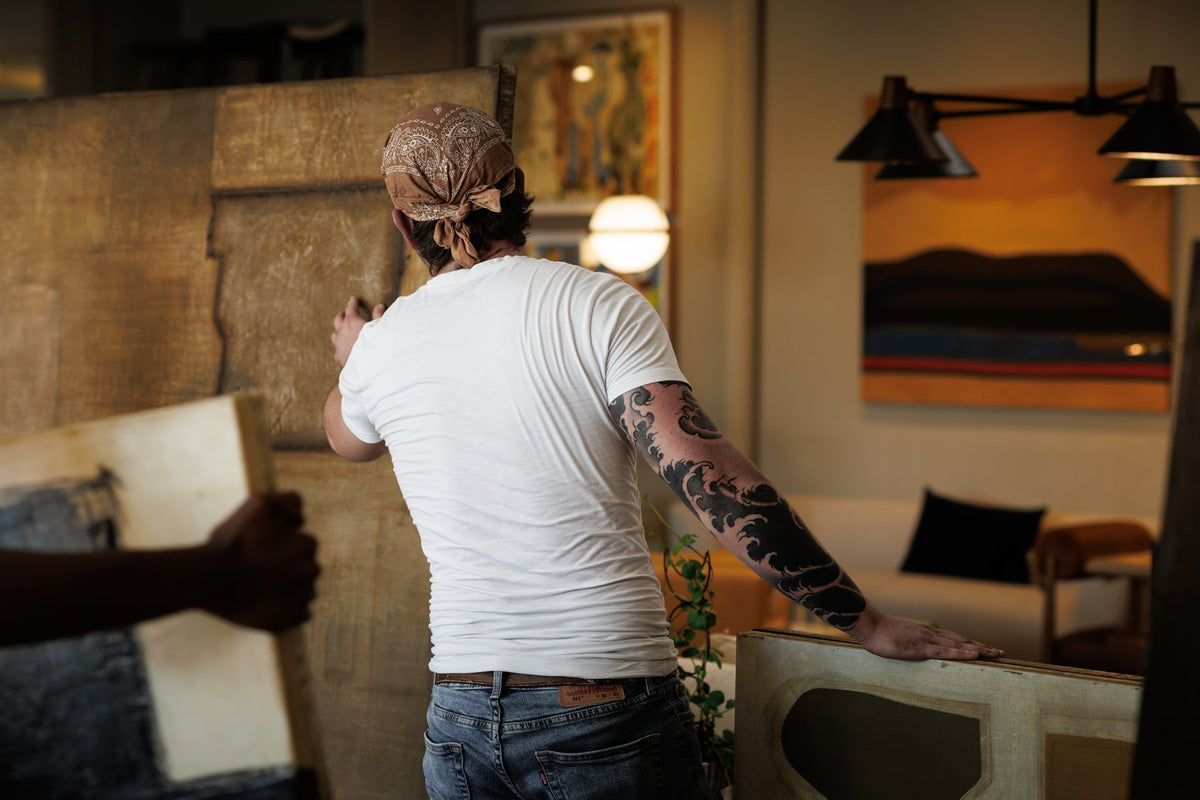

What Makes a Houston Home Feel Collected and Luxurious?
Luxury does not always announce itself. In the best Houston homes, luxury often comes through in the details: a beautifully proportioned sofa, a vintage-inspired rug, sculptural lighting, natural materials, and rooms that feel layered without feeling crowded. A collected home is not one where everything matches. It is a home that feels intentional. Each piece has a purpose, yet nothing feels overly coordinated. For Houston homeowners, creating that balance means understanding how to combine comfort, scale, texture, and personality. Start With a Strong Foundation Every collected room begins with a few foundational pieces. A substantial sofa, well-made dining table, or statement bed establishes the character of the space. These are the pieces you live with every day, so they should offer both comfort and presence. Rather than filling a room all at once, start with these key pieces and allow the rest of the room to develop around them. The result feels more natural and considered. Mix, Don't Match One of the easiest ways to make a home feel more sophisticated is to move away from matching furniture sets. Instead, combine pieces that complement one another without looking identical. Pair a streamlined sofa with a sculptural coffee table. Mix warm wood with metal. Place contemporary seating alongside a more traditional rug or piece of art. The goal is harmony, not uniformity. A room becomes more interesting when it looks like it was assembled over time rather than purchased from a single showroom floor. Layer Texture Luxury is often felt before it is noticed. Soft upholstery, natural wood, textured rugs, stone, leather, linen, and aged metals can give a room depth and warmth. Even a neutral palette can feel rich when multiple textures are layered together. This is particularly important in modern Houston interiors, where clean architectural lines can benefit from softer, more tactile materials. Texture keeps minimal spaces from feeling cold. Let Lighting Set the Mood Lighting can completely change the character of a room. A sculptural pendant can become a focal point over a dining table. A floor lamp can create a quiet reading corner. Table lamps and accent lighting can add warmth to a living room after sunset. Instead of relying on one overhead fixture, think in layers. The most inviting rooms have different sources of light that create atmosphere throughout the day. Bring the Outdoors In Houston's relationship with the outdoors should influence the way its homes are designed. Large windows, natural light, greenery, wood tones, organic materials, and indoor-outdoor furniture can create a stronger connection between the home and its surroundings. Outdoor spaces should also be treated as extensions of the interior rather than an afterthought. A thoughtfully furnished patio, terrace, or poolside area can feel just as intentional as the living room. Make Room for Art and Personality A luxurious home should feel personal. Art, objects, books, and collected pieces give a room its identity. They tell visitors something about the people who live there. Rather than filling every wall or surface, choose pieces that genuinely speak to you. One large artwork can have more impact than a collection of smaller pieces competing for attention. The same principle applies to accessories: edit carefully and let your favorite pieces breathe. Pay Attention to Scale Luxury has a lot to do with proportion. A room can have beautiful furniture and still feel unfinished if the scale is wrong. A small rug floating in a large living room or undersized lighting above a dining table can make an otherwise well-designed space feel disconnected. Consider the relationship between every piece. A substantial room often needs furniture with enough visual weight to match it, while smaller spaces benefit from pieces that provide function without dominating the room. Create Rooms That Feel Lived In Perhaps the most important element of a luxurious Houston home is comfort. The most beautiful room is not successful if no one wants to sit in it. Choose furniture that invites people to stay. Create spaces for conversation, entertaining, reading, relaxing, and everyday living. Your home should feel elevated without feeling precious. The Native Citizen Approach At Native Citizen, we believe great interiors are created through a balance of design and everyday living. Our approach combines thoughtfully selected furniture, rugs, lighting, art, and accessories with a deep understanding of how each space will be used. We mix materials, styles, and influences to create interiors that feel personal rather than prescribed. The result is a home that feels collected, comfortable, and distinctly yours. Visit Native Citizen in Houston or schedule a design appointment to begin creating a home with character, comfort, and lasting style.
Learn more
Things Our Interior Designers Wish Homeowners Knew Before Buying Furniture
Buying furniture is about more than finding something you love. The right pieces need to fit your space, support your lifestyle, and work for everyday living. Our interior designers often see homeowners make the same mistakes, so we are sharing what we wish everyone knew before making a purchase. 1. Start With How You Live Before thinking about style, think about function. How do you actually use your home? If you entertain often, your seating should make gathering easy. If you have children or pets, durability should be part of the decision. Your furniture should work for the life happening in your home, not just look good in a photo. 2. Measure and Consider Scale Always measure your room, doorways, hallways, and entry points before buying. Scale can completely change how a piece feels in a space. A large sectional may be perfect for one room and overwhelming in another. Good design comes down to proportion, so consider how every piece will relate to the room around it. 3. Choose Materials for Real Life Fabric and materials matter, especially in Houston. Consider performance fabrics and durable finishes that can handle everyday use, pets, children, entertaining, sunlight, and humidity. The best material is not necessarily the most luxurious one. It is the one that performs well for the way you live. 4. Invest in Timeless Pieces Trends are great for inspiration, but your larger furniture pieces should have staying power. Start with timeless foundations and bring personality through artwork, lighting, rugs, and accessories. You also do not need everything to match. Mixing wood tones, textures, materials, and silhouettes creates a home that feels collected rather than overly coordinated. 5. Think About the Entire Room Do not shop for one piece without considering the rest of the space. Your sofa, chairs, coffee table, rug, lighting, and artwork should work together in scale and proportion. The same idea applies throughout the home. A cohesive design considers the living room, dining room, bedroom, entryway, office, and outdoor spaces as part of the bigger picture. 6. Spend Where It Matters Most Prioritize quality on the pieces you use every day. A sofa, dining table, or favorite chair deserves more consideration than a purely decorative accent. A well-made piece that you use for years can be a better investment than repeatedly replacing inexpensive furniture. 7. Let the Room Evolve You do not have to finish your entire home at once. Furniture creates the foundation, while rugs, lighting, artwork, and accessories add personality over time. Allowing a room to evolve often creates a more natural and personal result. 8. You Do Not Have to Do It Alone Furniture shopping can quickly become overwhelming. A professional designer can help you make decisions based on your space, lifestyle, and budget while helping you avoid costly mistakes. At Native Citizen, our Houston design team helps homeowners create spaces that are functional, cohesive, and personal. At Native Citizen, our Houston design team helps homeowners create spaces that are functional, cohesive, and personal. Visit our showroom to explore Four Hands furniture, rugs, lighting, artwork, and complimentary design services.
Learn more
Four Hands Modular Sofas: Flexible Comfort for Modern Living at Native Citizen
There is something different about a sofa that can adapt with you. As homes become more multifunctional, the traditional one-size-fits-all sofa is making room for something more flexible: the modular sofa. Designed with individual components that can be arranged, rearranged, and expanded, modular seating gives you the freedom to create a living space that works for the way you actually live. At Native Citizen, we love the versatility of Four Hands modular sofas because they combine relaxed comfort with a refined, design-forward look. What Is a Modular Sofa? Unlike a traditional sofa built as one fixed piece, a modular sofa is made from individual sections that work together as a complete seating arrangement. Depending on your space and lifestyle, modules can be configured into a classic sofa, spacious sectional, chaise, L-shape, or even a larger lounge arrangement. That flexibility makes modular seating especially appealing for open-concept homes, large living rooms, apartments, media rooms, and spaces that need to evolve over time. Designed Around the Way You Live Your living room does more than one job. It may be where you entertain friends, watch a movie, enjoy your morning coffee, work from home, or stretch out at the end of the day. A modular sofa allows your furniture to adapt to those different moments. Need more seating for guests? Create a larger configuration. Want a more open layout? Separate the pieces. Moving into a new home? Reconfigure the modules to fit the new space. The result is furniture that feels less permanent in its arrangement while still providing the presence and comfort of a substantial, beautifully designed sofa. The Four Hands Approach Four Hands is known for creating furniture that balances thoughtful design with everyday functionality. Its modular seating collections bring that philosophy into one of the most important pieces in the home. With generous proportions, comfortable silhouettes, and a variety of upholstery and configuration options, Four Hands modular sofas can work across a range of interiors, from warm contemporary spaces to more relaxed, layered rooms. The beauty is in the details. Soft upholstery, substantial cushions, natural materials, and carefully considered proportions create a look that feels elevated without feeling overly formal. Why Modular Sofas Work So Well in Open Spaces Open-concept interiors can be beautiful, but they can also be challenging to furnish. A modular sectional can help define the living area without adding visual barriers. Instead of using walls or additional furniture to separate spaces, the sofa itself can establish a natural boundary between the living room, dining area, kitchen, or entry. For larger Houston homes, this can be particularly effective. A generously scaled modular configuration can anchor a spacious room while creating an inviting place to gather. A More Relaxed Way to Entertain Modular sofas naturally encourage conversation. Rather than arranging every seat toward a television or focal point, you can create a configuration that brings people together. Add a coffee table, accent chairs, a large rug, and layered lighting, and you have a living space designed for everything from casual afternoons to evening entertaining. The result feels comfortable, collected, and intentional. Built for Real Life The most beautiful furniture is furniture you actually want to live with. Modular sofas offer the combination of comfort, flexibility, and visual impact that modern homes increasingly demand. They give you the scale of a sectional while providing the adaptability of individual pieces. And because your home can change over time, your furniture should be able to change with it. Find Your Modular Sofa at Native Citizen Whether you're furnishing a new home, refreshing your living room, or designing an entire space from the ground up, Four Hands modular seating offers a flexible foundation for comfortable, elevated living. Explore Four Hands modular sofas at Native Citizen and discover a configuration designed around your space, your style, and the way you live. At Native Citizen, our design services can help you build a complete room around your sofa, mixing textures, materials, and silhouettes to create a space that feels distinctly yours. Visit the Native Citizen showroom in Houston to experience the comfort and scale of modular seating in person.
Learn more
Celebrating 30 Years of Four Hands: Three Decades of Timeless Design
For 30 years, Four Hands has helped shape the way people furnish their homes. What began as a small furniture company has grown into one of the industry's most respected design brands, known for blending global inspiration, quality craftsmanship, and furniture designed for everyday living. As Four Hands celebrates its 30th anniversary, it is the perfect time to look at how home design has evolved over the past three decades and why thoughtful, well-made furniture has never gone out of style. Thirty Years of Design That Lasts Interior design trends come and go, but the best furniture remains relevant year after year. Over the past three decades, homeowners have shifted from formal living rooms to open floor plans, from matching furniture sets to curated interiors, and from fast furniture to investing in pieces built to last. Throughout those changes, Four Hands has remained focused on timeless design instead of short-lived trends. Every collection reflects a balance of comfort, craftsmanship, and materials that continue to feel current long after the latest design craze fades. Global Inspiration, Modern Living One of the defining characteristics of Four Hands furniture is its ability to draw inspiration from around the world while remaining functional for today's homes. Natural woods, marble, leather, linen, iron, and hand-finished details create collections that feel collected rather than manufactured. Whether your style leans modern, transitional, organic, industrial, or contemporary, Four Hands offers furniture that layers effortlessly into a variety of interiors. That versatility has become one of the brand's greatest strengths over the past 30 years. What Has Changed in Home Design? Today's homes look different than they did in the 1990s, but the desire for comfortable, beautiful spaces has remained the same. Current furniture trends continue to reflect the values homeowners care about most: Curved silhouettes that create softer spaces Warm walnut and oak finishes Mixed materials including wood, marble, leather, and metal Performance fabrics for everyday living Oversized sectionals designed for gathering Sculptural furniture that doubles as art Natural textures inspired by the outdoors Many of these trends can be found throughout Four Hands' newest collections, proving that timeless design continues to evolve while staying true to its roots. Why Quality Furniture Matters More Than Ever As homeowners become more intentional with their purchases, quality has become just as important as style. Rather than replacing furniture every few years, many people are investing in pieces designed to age beautifully and perform for decades. Solid construction, premium materials, and timeless silhouettes offer long-term value while reducing waste and creating homes that feel authentic. This shift toward intentional buying is one of the biggest trends shaping the furniture industry today. Experience Four Hands at Native Citizen At Native Citizen, we are proud to be one of the largest Four Hands distributors, offering Houston homeowners access to one of the brand's most extensive collections. Whether you're searching for a statement dining table, a comfortable sectional, handcrafted bedroom furniture, or finishing pieces that complete your home, our showroom allows you to experience the quality, materials, and craftsmanship that have defined Four Hands for the past 30 years. As Four Hands celebrates this milestone, we invite you to discover why thoughtful design continues to stand the test of time. Visit our Houston showroom to explore the latest Four Hands collections and see what 30 years of craftsmanship looks like in person.
Learn more
Native Citizen Hosts the SERHANT. Houston Launch After Party
Houston's luxury real estate community recently gathered at Native Citizen to celebrate one of the biggest moments in Texas real estate: the official launch of SERHANT. Houston. As the host venue for the Houston launch after party, our showroom welcomed top real estate professionals, designers, developers, entrepreneurs, and industry leaders for an evening centered around innovation, design, and meaningful connections. The event marked the beginning of an exciting new chapter for SERHANT. as the brokerage officially expanded into Houston, along with Dallas, Austin, and San Antonio. Led by founder Ryan Serhant, the company entered Texas with 13 founding agents and six independent brokerages representing nearly $1.5 billion in combined annual sales volume, making it one of the most significant luxury real estate launches in the state. Celebrating Houston's Growing Luxury Market Houston continues to attract buyers seeking distinctive homes and elevated lifestyles. As the city's luxury market evolves, collaboration between real estate professionals and interior designers becomes increasingly valuable. The launch of SERHANT. Houston reflects the continued growth and innovation happening throughout Houston's real estate industry. With its media-driven approach, advanced technology, and national brand recognition, SERHANT. is bringing a fresh perspective to luxury real estate across Texas. Native Citizen is proud to be part of that conversation by providing homeowners, builders, developers, and real estate professionals with access to curated furnishings and personalized interior design services that help properties stand out in today's competitive market. Where Luxury Real Estate Meets Luxury Design At Native Citizen, we believe exceptional homes deserve exceptional interiors. Hosting the SERHANT. Houston Launch After Party was a natural partnership, bringing together professionals who share a passion for beautiful spaces, elevated experiences, and thoughtful design. Guests explored our Houston showroom while enjoying cocktails, conversation, and an inspiring atmosphere surrounded by premium furnishings, designer lighting, handcrafted rugs, artwork, and curated home accessories. Throughout the evening, attendees experienced firsthand how intentional interior design enhances the way people live while adding value to every luxury home. Our showroom is designed to inspire every stage of the home journey. Whether you're furnishing a newly purchased residence, preparing a luxury listing, designing a custom home, or refreshing a single room, our team offers personalized guidance and access to premium collections from Four Hands and other leading brands. From full-service interior design and space planning to custom furnishings, lighting, rugs, artwork, wallpaper, and accessories, Native Citizen helps transform houses into thoughtfully designed homes. Thank You for Celebrating With Us We are grateful to SERHANT. Houston and everyone who joined us for such an exciting evening. The energy, conversations, and connections made throughout the event showcased the incredible future of Houston's luxury real estate and design communities. As Native Citizen continues to host exclusive events, educational experiences, and design gatherings, we look forward to bringing together the people shaping Houston's homes and neighborhoods. If you haven't visited our showroom yet, we invite you to stop by, meet our design team, and experience one of Houston's premier destinations for luxury furniture, interior design, and home inspiration. We can't wait to welcome you. (P.S. Visit our Instagram to see more photos.)
Learn more
Bringing Nature Inside: How Organic Design Creates a More Beautiful Home
There is a reason homes filled with natural materials feel more welcoming. Bringing nature indoors is more than a design trend. It is a timeless approach that creates warmth, comfort, and a sense of balance in every room. At Native Citizen, we believe the best interiors are inspired by the world around us. From solid wood furniture and natural stone to linen upholstery, woven textures, and living greenery, organic design transforms a house into a place that feels grounded and inviting. Start with Natural Materials The foundation of organic interior design begins with authentic materials. Solid oak, reclaimed wood, travertine, marble, leather, linen, cotton, and handwoven fibers all add depth and character that synthetic materials simply cannot replicate. Our curated Four Hands collections feature beautifully crafted furniture made from premium natural materials that age gracefully over time. Each piece brings unique grain patterns, textures, and finishes that make every home feel one of a kind. Layer Texture Instead of Color Nature is rich with texture, and your home should be too. Rather than relying on bold colors alone, layer different materials throughout your space. Consider pairing: Linen sofas with soft boucle accent chairs Handwoven rugs beneath solid wood dining tables Stone coffee tables with ceramic accessories Natural wood shelving with handcrafted pottery These combinations create visual interest while maintaining a calm, collected atmosphere. Let Greenery Complete the Space Plants instantly make a home feel alive. Whether it's a large fiddle leaf fig in the living room, olive trees in the entryway, or smaller potted plants throughout your home, greenery softens interiors and connects your space to the outdoors. Even simple arrangements of fresh branches or seasonal flowers can add movement and organic beauty. Maximize Natural Light Natural light enhances every material in your home. Wood appears warmer, stone gains dimension, and fabrics become softer throughout the day. Keep window treatments light and airy whenever possible. Linen drapery, woven shades, and sheer curtains allow sunlight to filter naturally while creating a relaxed atmosphere. Mirrors can also help reflect daylight and brighten darker spaces without overwhelming the design. Choose Furniture That Feels Timeless Furniture inspired by nature never goes out of style. Rounded silhouettes, soft edges, handcrafted details, and neutral finishes create rooms that remain beautiful for years. Rather than filling your home with trendy pieces, invest in quality furniture that offers lasting craftsmanship and versatility. At Native Citizen, we curate furniture designed to evolve with your home through every season. Add Organic Accessories The finishing touches often have the biggest impact. Complete your space with: Handmade ceramic vases Stone sculptures Woven baskets Natural wood trays Textured pillows Linen throws Large-scale artwork inspired by landscapes Handcrafted lighting with wood or stone elements These details create an effortless, collected look that feels both elevated and approachable. Experience Organic Design at Native Citizen Creating a home inspired by nature starts with choosing pieces that feel authentic. At Native Citizen, our Houston showroom is thoughtfully curated with premium furniture, lighting, rugs, artwork, and home accessories from Four Hands and other leading design partners. Every collection is selected to help you create spaces that feel warm, timeless, and connected to the natural world. Whether you are furnishing one room or designing an entire home, our team is here to help you bring organic design to life with furniture and décor that reflects your personal style. Visit the Native Citizen showroom in Houston to discover natural materials, timeless craftsmanship, and thoughtfully curated pieces designed for everyday living.
Learn more
How to Design Around Houston's Indoor-Outdoor Lifestyle
Houston homeowners know that outdoor living is more than a seasonal trend. From covered patios and backyard kitchens to sunrooms and open-concept living spaces, today's homes are designed to blur the line between indoors and out. Creating a seamless transition between these spaces makes your home feel larger, more inviting, and better suited for entertaining throughout the year. At Native Citizen, we help homeowners furnish every part of their home with thoughtfully curated pieces that are built for both beauty and everyday living. Create a Natural Flow One of the easiest ways to connect indoor and outdoor spaces is through consistency. Choose furniture, colors, and materials that complement one another so your patio feels like a true extension of your home. Natural wood finishes, woven textures, soft neutral upholstery, and organic materials create a relaxed atmosphere that works beautifully in both environments. Keeping a cohesive design palette allows guests to move effortlessly from the living room to the patio without the spaces feeling disconnected. Invest in Quality Furniture Houston's climate can be demanding, making quality craftsmanship more important than ever. Durable construction, performance fabrics, and timeless materials ensure your furniture maintains its beauty for years to come. Native Citizen proudly features Four Hands furniture, known for exceptional craftsmanship, premium materials, and designs that balance modern comfort with lasting durability. Investing in quality pieces means your home stays beautiful through everyday use and changing design trends. Layer with Texture Indoor-outdoor living is all about comfort. Add warmth by layering rugs, accent pillows, lighting, and decorative accessories throughout your spaces. Natural fibers, stone, linen, leather, and woven materials create depth while helping your indoor and outdoor areas feel connected. These thoughtful details make covered patios, sunrooms, and living rooms feel equally welcoming. Design for Entertaining Houston is a city that loves gathering with friends and family. Whether you're hosting weekend barbecues, dinner parties, or casual evenings outside, your furniture should support the way you live. Choose spacious sectionals, versatile dining tables, comfortable accent chairs, and flexible seating that encourage conversation. Thoughtful layouts create inviting spaces where guests naturally gather. Bring Nature Inside Large windows and patio doors already connect many Houston homes to the outdoors, but bringing natural elements inside strengthens that connection even further. Incorporate live plants, natural wood furniture, stone accents, earthy colors, and abundant natural light to create interiors that reflect the beauty of your outdoor surroundings. These elements add warmth while giving your home a timeless, organic feel. Visit the Native Citizen Showroom Designing an indoor-outdoor lifestyle starts with furniture that complements every room in your home. Visit the Native Citizen showroom in Houston to explore beautifully curated collections from Four Hands, including living room furniture, dining furniture, bedroom furniture, lighting, rugs, artwork, and home accessories. Our experienced design team can help you create cohesive spaces that flow effortlessly from indoors to out while reflecting your personal style. Whether you're furnishing a new home, updating a patio-facing living room, or completing a whole-home project, we're here to help you create a home designed for the way Houston lives.
Learn more
Why Investing in Quality Furniture Saves You Money Over Time
When furnishing your home, it's easy to compare price tags, but the real value of furniture isn't measured by what you spend today. It's measured by how well it performs, how long it lasts, and how much you'll enjoy living with it for years to come. At Native Citizen, we believe quality furniture is one of the smartest investments you can make for your home. Thoughtfully crafted pieces offer lasting comfort, timeless style, and exceptional durability, making them a better value than replacing inexpensive furniture every few years. Built to Last Quality furniture starts with quality materials. Solid wood construction, premium upholstery, durable hardware, and expert craftsmanship create furniture that stands up to everyday life. Whether it's a dining table hosting family gatherings or a sofa used every evening, well-made furniture is designed to age beautifully instead of wearing out. Many lower-priced pieces rely on particle board, thin veneers, or lightweight frames that can loosen, warp, or break over time. Replacing these pieces repeatedly often costs more than investing in furniture built to last from the beginning. Craftsmanship Makes the Difference Behind every great piece is skilled craftsmanship. Details like reinforced joinery, hand-finished wood, carefully tailored upholstery, and high-performance fabrics all contribute to furniture that maintains its beauty and structural integrity for years. Native Citizen proudly features Four Hands furniture because of its commitment to exceptional craftsmanship. Every collection is thoughtfully designed with premium materials and construction methods that balance everyday functionality with elevated design. The result is furniture that feels substantial, performs beautifully, and remains a favorite part of your home long after trends have changed. Timeless Design Never Goes Out of Style One of the biggest advantages of investing in designer furniture is choosing pieces that won't feel outdated in a few seasons. Rather than following short-lived trends, timeless furniture focuses on clean lines, natural materials, and balanced proportions. These versatile designs easily evolve alongside your home as your style changes, allowing you to refresh a space with accessories instead of replacing major furniture pieces. Quality furniture becomes part of your home's story rather than something you constantly need to upgrade. Better Performance for Everyday Living A beautiful piece should also work beautifully. High-quality furniture offers better comfort, improved functionality, and materials designed for real life. Many Four Hands collections feature performance fabrics, premium leathers, and durable finishes that help resist everyday wear while maintaining their appearance. Whether you have children, pets, frequent guests, or simply enjoy living comfortably, investing in durable furniture means less worry and more enjoyment. A Smarter Long-Term Investment Buying inexpensive furniture may seem like a way to save money, but replacing worn-out sofas, damaged dining tables, or broken accent chairs every few years quickly adds up. When you invest in quality furniture, you're investing in: Longer product lifespan Superior comfort and performance Timeless style Better craftsmanship Higher-quality materials Greater overall value over time Instead of buying the same piece multiple times, you buy it once and enjoy it for years. Invest Once. Enjoy for Years. Your home deserves furniture that supports the way you live today and continues to do so well into the future. At Native Citizen, our curated collection of Four Hands furniture is selected for its craftsmanship, durability, and timeless design. Whether you're furnishing one room or your entire home, our team can help you choose pieces that are built to last and designed for everyday living. Visit our Houston showroom to experience the quality firsthand and discover furniture that offers lasting value for years to come.
Learn more
What Makes the Native Citizen Showroom Different?
There are plenty of places to buy furniture in Houston, but Native Citizen was created to offer something more than a traditional showroom. We believe furnishing your home should feel personal, inspiring, and thoughtfully curated, not overwhelming. Curated, Not Crowded Many furniture stores fill their floors with hundreds of products and endless options. At Native Citizen, every piece is intentionally selected to work together. Our showroom is designed as complete living spaces that help you visualize how furniture, rugs, lighting, artwork, and accessories can come together in your own home. Instead of asking, "What should I buy?" you'll leave with a clearer vision of how your home can feel. One of Houston’s Largest Four Hands Destinations Native Citizen is proud to be one of the largest Four Hands dealers in the Houston area. That means access to an extensive collection of furniture, lighting, rugs, and decor that is not typically displayed at this scale. From handcrafted wood furniture and premium upholstery to globally inspired designs, you’ll find pieces that combine quality craftsmanship with timeless style. Design That Fits Real Life Beautiful furniture should also be practical. Our collections are chosen for the way people actually live, whether you're hosting family gatherings, working from home, raising children, or creating a space to unwind. We prioritize comfort, durability, and materials that are made to stand up to everyday life without sacrificing design. More Than a Furniture Store At Native Citizen, you’ll find more than sofas and dining tables. Our showroom brings together furniture, lighting, rugs, artwork, wallpaper, and home accessories in one place, making it easier to design a cohesive home without visiting multiple stores. Complimentary Design Guidance Our team is here to help you make confident decisions, not pressure you into a purchase. Whether you need help choosing a sofa, planning a room layout, or furnishing an entire home, our complimentary design services are tailored to your space, your lifestyle, and your goals. A Local Perspective As a Houston-based business, we understand the homes, neighborhoods, and lifestyles that make this city unique. Whether you're furnishing a new build in Memorial, renovating a bungalow in the Heights, or updating a condo in Montrose, we help you select pieces that feel right for your space, not just what’s trending. An Experience Worth Visiting Shopping online can be convenient, but it cannot replace sitting on a sofa, seeing wood finishes in natural light, or experiencing the scale and comfort of a room in person. Our showroom is designed to inspire, giving you the confidence to invest in furniture you will enjoy for years to come. Discover the Native Citizen Difference At Native Citizen, we are not just selling furniture, we are helping people create homes that feel timeless, welcoming, and built for everyday living. From thoughtfully curated collections and an extensive Four Hands selection to personalized design services and white glove delivery, every part of the experience is designed to make furnishing your home simpler, more enjoyable, and more intentional. Whether you're looking for one statement piece or furnishing an entire home, we invite you to experience the difference for yourself.
Learn more