

News
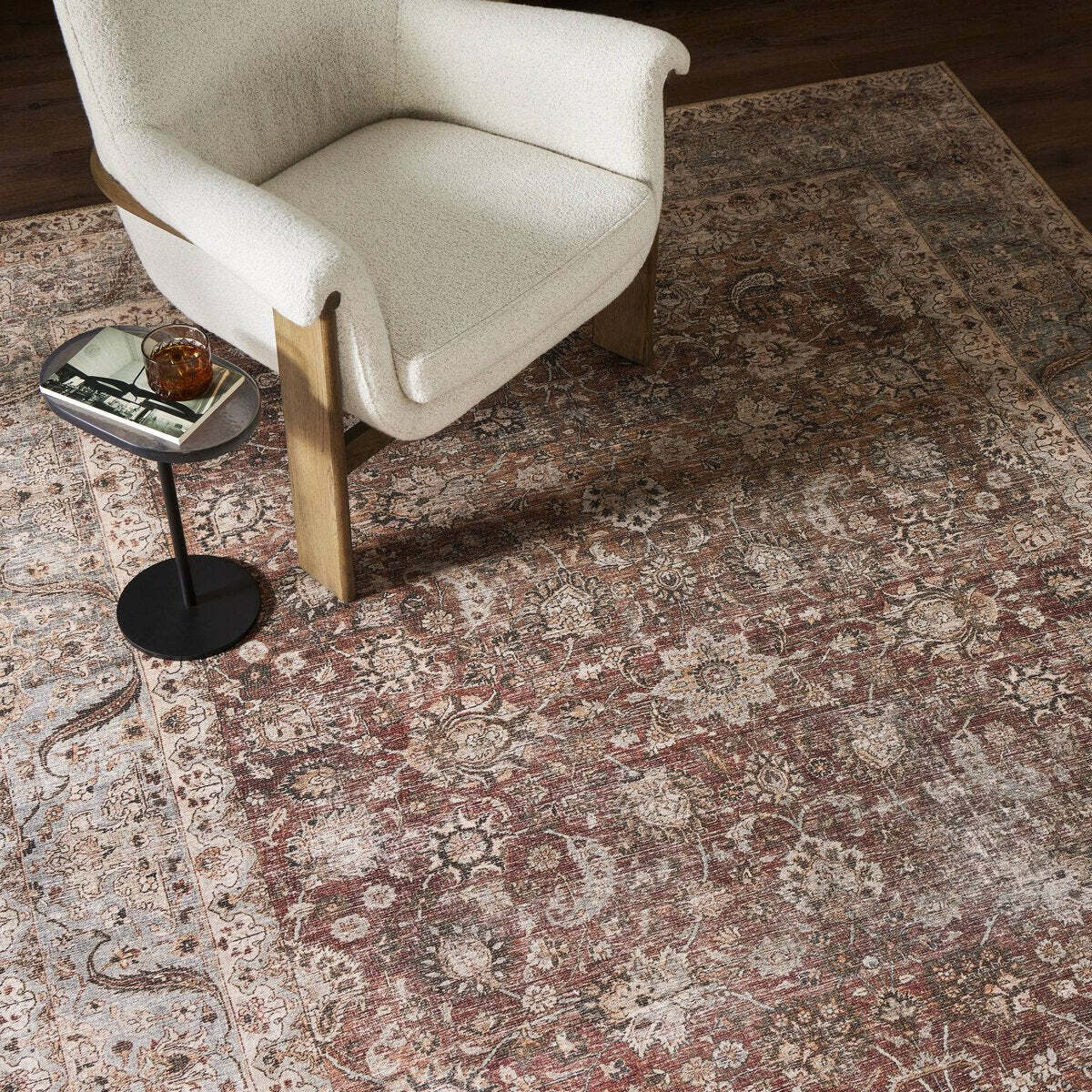

How Home Interior Design Services Can Help You
Furniture should feel intentional, not impulsive or cluttered. At Native Citizen, we believe the best homes have thoughtful arrangements that reflect your lifestyle. What are ways to avoid mistakes in home styling? Design With Strategy It’s easy to fall in love with a beautiful piece on its own. However, consider scale, layout, materials, and cohesion. Even the most stunning furniture can feel out of place. Design services focus on the bigger picture. We look beyond individual products to understand: How you move through your space How rooms connect and function together What pieces you already own and want to keep Where it makes sense to invest Buying Better With the Right Questions Before buying a single piece, consider your lifestyle. Are you hosting often? Do you have kids or pets? Do you prefer low-maintenance materials or finishes that develop character over time? These details shape smarter recommendations: performance fabrics for family, dining tables for work-from-home life, or sectionals for heavy traffic flow. When furniture is chosen with intention, they last longer. What Design Services Can Do for You All interior design services are complimentary to our NC Members of the Design Passport. Native Citizen choose furniture with a clear framework. Instead of purchasing one piece at a time and hoping it works, we help you see the cohesion. These are some of the things that we do as interior designers: Perform a home walkthrough in-person or virtually to measure Provide professional guidance on how to elevate your home Select a sofa that anchors the room before choosing chairs Curate a selection of furniture for you to narrow down with you Provide swatches for the Four Hands furniture collection Choose finishes and materials that repeat subtly throughout the home Pick out wallpapers and hardware finishes for your home Curate wall art, home decor, and other unique art installations Paint walls and cabinetry with the appropriate vision Upgrade kitchen island stones and countertops Recommend window treatments Finish with rugs and statement light chandeliers and wall sconces Design turnaround in 7 days Shop Better for Your Home When clients work with our designers, they often find that they buy less and end up with more satisfaction. Every piece has a purpose. Every room feels resolved. That’s why our complimentary design services exist: to help you buy better, with clarity, confidence, and a plan that truly reflects how you navigate your home. From measuring to planning your space, our design services cover your decision fatigue. We help make elevated homes feel attainable with our Four Hands furniture collection that’s meant to last for generations. Stop guessing and start buying better. We’re here to help. Visit us in-store or reach out to schedule your complimentary design consultation.
Learn more
Unlock Design Freedom: Inside the Native Citizen Trade Program
Experience That Shows in Every Project With over 20 years in the furniture and design industry, Native Citizen brings a depth of experience that trade professionals can rely on. We’ve worked alongside designers across the U.S., supporting projects of all sizes with a focus on speed, accuracy, and dependable execution. We know timelines matter just as much as the "look". Our team understands the realities of trade work: tight deadlines, evolving scopes, and the need for clear communication. From sourcing to fulfillment, we pride ourselves on getting orders right the first time and keeping projects moving forward without unnecessary friction. Learn more about our Trade Program. A Trusted Source for the Four Hands Collection (and More) As a trade partner, you receive 30% off the Four Hands collection, giving you access to a wide range of thoughtfully designed furniture known for quality, craftsmanship, and versatility. Beyond furniture, we also source lighting, rugs, and home decor, allowing you to build layered, cohesive interiors from a single, trusted partner. This streamlined approach helps designers stay focused on the creative vision while we support the logistics behind the scenes. Supporting Designers, Realtors, and In-Trade Professionals Our trade relationships extend beyond interior designers. We regularly collaborate with realtors and home staging professionals to help bring properties to life—creating spaces that resonate with buyers and elevate listings for sellers. Thoughtfully furnished homes don’t just photograph better; they connect emotionally and help properties stand out in a competitive market. We also work with a wide range of in-trade professionals, offering the same level of care, consistency, and expertise across every partnership. A Partner You Can Count On At Native Citizen, our trade program is built on long-standing relationships and proven results. Decades of experience have shaped how we work: efficiently, accurately, and with a deep respect for the professionals we support. Designers can also use our Montrose showroom to facilitate meetings with their clients and present their visions. Learn more on our Trade Program page and fill out the form to become a partner.
Learn more
Thoughtful Details That Make Guests Feel Welcome
The holidays are a season of gathering, but truly welcoming a guest is about more than having enough chairs or a full dining table. It’s the little details and thoughtful touches in your living and dining spaces that create comfort, ease, and connection. At Native Citizen, we believe that a home is most inviting when it’s functional, curated, and thoughtfully layered. Here’s how to make your guests feel at home, effortlessly. 1. Clear Surfaces for Ease and Flow Nothing says “relaxed hosting” like a space where guests can settle in without feeling cluttered. Make sure surfaces are functional as well as beautiful: Entryway console or bench: Clear space for coats, bags, or packages so guests can drop off belongings without disruption. Side tables and coffee tables: Leave room for drinks, plates, or small snacks during conversations. Dining buffet or console: Offer a place for shared platters, desserts, or a quick drink station. Tip: A clean, intentional surface invites your guests to interact naturally with the space instead of feeling like they have to navigate around décor. 2. Coffee Table Books and Collected Objects Conversation flows easiest when your home has stories to tell. Carefully curated objects not only elevate your design but also spark dialogue. Books: Choose oversized coffee table books on art, design, travel, or culture that reflect your interests. Objects: Small sculptures, vases, or artisan pieces collected from travels can serve as subtle points of interest. Rotating display: Swap pieces seasonally to keep the space feeling fresh and meaningful. Tip: Layer objects in odd numbers, mix textures, and leave some breathing room to keep it curated rather than cluttered. 3. Subtle Styling That Feels Lived-In A welcoming home shouldn’t feel overly staged but feel alive. Throws and pillows: Draped casually over a chair or sofa, these add warmth and comfort without fuss. Functional decor: Candles, trays, or coasters that guests can actually use instead of purely decorative items. Personal touches: A favorite bowl, a framed photograph, or a small plant makes your space feel authentic. Tip: Aim for balance: every object should feel intentional, but the overall room should feel effortless, not perfect. Small Touches, Big Impact It’s the thoughtful details (more than the big pieces of furniture) that make a house a home for your guests. When surfaces are functional, objects tell a story, and styling feels lived-in, your space invites comfort, connection, and memorable moments. At Native Citizen, we help you design spaces that are beautiful, functional, and welcoming, whether for daily life or special gatherings. Schedule a complimentary design consultation or explore our curated collections to bring thoughtful hospitality into your home this season.
Learn more
The Art of Layering Textures: How to Create a Cozy and Stylish Home
Incorporating a variety of textures into your modern home design can transform it into a cozy and stylish retreat. At Native Citizen, we proudly feature Four Hands furniture, known for its high-quality craftsmanship and innovative designs that seamlessly blend comfort with contemporary aesthetics. Here are some strategies to achieve a textured, inviting space: 1. Mix Natural Materials Combining different natural materials can create a rich, tactile environment. For instance, pairing a sleek wooden coffee table with a soft woolen rug introduces contrasting textures that complement each other. Similarly, integrating stone accents alongside woven baskets can enhance the sensory experience of the room. 2. Incorporate Textured Fabrics Using fabrics with distinct textures adds visual interest and comfort. Consider adding bouclé or velvet throw pillows to your seating area; these materials are known for their unique feel and aesthetic appeal. Additionally, draping a chunky knit throw over a leather sofa can soften the overall look and invite relaxation. 3. Layer Rugs Layering rugs is an effective way to introduce texture and define different areas within an open floor plan. For example, placing a smaller, patterned rug over a larger, neutral one can create a focal point and add depth to the space. This technique also allows for flexibility in updating the room's look without a complete overhaul. 4. Utilize Wall Treatments Walls offer a canvas for adding texture beyond paint. Incorporating elements like wood paneling, textured wallpaper, or exposed brick can introduce character and warmth. These features serve as both functional and decorative components, enhancing the room's overall ambiance. 5. Add Greenery Integrating plants into your interior design brings a natural texture that enlivens the space. The varying shapes and surfaces of leaves, along with decorative planters, contribute to a layered, dynamic environment. Plants also improve air quality, adding to the comfort of your home. 6. Combine Different Furniture Finishes Mixing furniture pieces with various finishes can prevent a monotonous look. For instance, pairing a matte metal lamp with a glossy lacquered side table creates a balanced contrast. This approach reflects a curated, personalized style that aligns with modern design principles. 7. Integrate Artisanal Accessories Handcrafted accessories, such as ceramic vases or woven wall hangings, introduce unique textures and serve as conversation pieces. These items add a personal touch and can reflect your individual taste, enhancing the coziness of your home. By thoughtfully layering textures through these methods, you can create a modern home that exudes both style and warmth. This approach not only enhances the aesthetic appeal but also contributes to a comfortable and inviting atmosphere. At Native Citizen, we are committed to helping you achieve this balance by offering a curated selection of Four Hands furniture that embodies quality and innovative design.
Learn more
Elevate Your Space with Performance Fabrics: Native Citizen's Guide
Welcome to Native Citizen, where we blend curated style with functionality. As interior design experts and trusted sellers of Four Hands furniture, we understand the importance of materials that stand the test of time. Today, we're diving into the world of performance fabrics – a key element in our design philosophy. Why Performance Fabrics Matter: Durability: Designed to endure, performance fabrics resist wear and tear, making them ideal for busy households and high-traffic areas. Easy Maintenance: Spills and stains are a breeze to clean, ensuring your furniture stays beautiful for years. Style and Comfort: With a variety of textures and colors, these fabrics don't just perform well – they look and feel fantastic. Eco-Friendly Options: Many performance fabrics are made with sustainable practices, aligning with our commitment to positive social impact. We believe that you and your family should have the freedom to ENJOY the pieces in your home! Four Hands and Native Citizen: A Perfect Match At Native Citizen, we're proud to incorporate Four Hands furniture into our designs. Their commitment to quality and style mirrors our own, making their performance fabric pieces a perfect fit for our clients' spaces. How to Clean Performance Fabrics: The short answer:Blot Spills Immediately: Use a clean, dry cloth to blot any spills gently. If we want to get technical, here is the ultimate guide. When it comes to maintaining your upholstered furniture, knowing the right cleaning technique is crucial. Each piece comes with a specific cleaning code that indicates the best method to use without damaging the fabric. Here's a simple breakdown:S (Solvent): This code means you should avoid water and opt for a water-free dry-cleaning solvent instead. Before you start, test the solvent on a small, hidden section of the upholstery. If a spill occurs, blot it immediately without rubbing. For any spot cleaning, work from the edges of the stain to the center and make sure to clean the whole panel from seam to seam for an even look.W (Water-Based): If your furniture is marked with a 'W,' stick to water-based cleaning agents like shampoo or foam upholstery cleaner. Always conduct a pretest on a discreet area. In the event of a spill, promptly blot away the spillage. Spot clean stains by moving from the outside towards the middle and clean across the entire panel for uniform results.WS (Water/Solvent Based): This versatile code allows the use of either water-based or solvent-based cleaning products. Whether you're using upholstery shampoo, foam from a mild detergent, or a dry-cleaning solvent, always pretest. For spills and stains, blot immediately and clean from the outer edges of the stain to the center, ensuring to treat the whole panel uniformly.DC (Dry Clean Only): For upholstery marked with 'DC,' regular maintenance should involve vacuuming or light brushing. When the fabric requires a deeper clean, professional dry cleaning is recommended to preserve its condition.X (No Product): Items with an 'X' code should only be cleaned by vacuuming or gentle brushing. Avoid any water- or solvent-based cleaners and opt for professional dry cleaning when necessary.Understanding these codes helps ensure your furniture remains in top condition, preserving its beauty and lifespan. Always follow these guidelines to keep your upholstered pieces looking their best. Conclusion: At Native Citizen, we are creating spaces that are not only beautiful but also practical and sustainable. You deserve to have a space that meets the functional needs of the people using it. Now, you don't have to do it alone!
Learn more
Title: Harmonizing Woods in Your Space: Beyond Matching Myths
We speak with clients all the time who are over-worried about styling spaces, and making "design mistakes." The old notion that all woods in a room need to match is a myth we're thrilled to dispel. This blog explores how different wood types and textures can not only coexist but also complement each other, enriching your space with a harmonious and dynamic aesthetic. We wanted to keep this blog as a guide for anyone interested in design. (The best tip is at the end) Wood Types and Textures: Exploring a variety of wood types can significantly enhance the aesthetics of any space. Here are some additional varieties to consider alongside oak, walnut, maple, and cherry:Eucalyptus: A durable and resilient wood that develops a natural patina over time, eucalyptus brings a touch of time-tested elegance to your space.Natural Pine: Known for preserving its unique character, natural pine adds warmth with its distinct texture and care essentials.Reclaimed Wood: Characterized by the marks of time and the environment, reclaimed wood adds a story to your space, each piece unique with its own history.Teak: Ideal for outdoor furniture, teak is a durable material that ages beautifully, revealing a graceful natural patina over time.Yukas: While not detailed in the provided material, incorporating woods like yukas can introduce unique textures and tones not found in more common wood types.Veneer: Offering a versatile range of unique styles, high-quality wood veneers over solid or engineered substrates can mimic the look of rare woods without the high cost, adding sophistication and variety. Balancing Act: Mixing wood types is an art. Here are some tips to achieve balance: Consider Undertones: Woods with similar undertones (warm or cool) can harmoniously coexist. Play with Contrast: Pair light woods like maple with darker tones like walnut for a striking contrast. Unified Finishes: Using the same finish (matte, gloss, etc.) across different woods can tie the look together. Distribute Evenly: Balance the presence of different woods around the room to avoid clustering one type in a single area. Conclusion/ The Best Tip Embracing a variety of wood types and textures can transform your space into a rich tapestry of natural beauty. If you don't know what your space needs, ask! Take a pic, and come by our design studio, or fill out a contact form. We are here to help.
Learn more
Embracing Timeless Style: Why Personal Aesthetics Beats Trendy Every Time
The Ephemeral Nature of Trends vs. The Timelessness of Style In the ever-evolving world of interior design, trends come and go with the seasons. One year, pastel hues may dominate, only to be replaced by bold primary colors the next. However, while these fleeting trends offer a fresh and contemporary feel, they often lack the staying power of timeless style. Timeless style is more than just a design choice; it's a reflection of personal aesthetics and a testament to enduring elegance. This post delves into why cultivating a personal, timeless style is more rewarding and sustainable than chasing the latest design trends. Quality Pieces: The Foundation of Timeless Design The cornerstone of timeless style lies in the quality of pieces you choose. High-quality furniture and art stand the test of time not just in durability but in design. Selecting pieces that resonate with your personal taste creates an environment that feels consistently relevant and inviting. Opt for furniture that boasts superior craftsmanship and materials – pieces that tell a story and add character to your space. Similarly, choosing art that speaks to you on a personal level ensures that your space is a true reflection of your identity and interests. Creating Centerpieces: Anchoring Your Space with Statement Pieces A well-chosen centerpiece can transform a room from ordinary to extraordinary. Whether it's a unique piece of furniture, a striking work of art, or an eye-catching light fixture, centerpieces draw attention and set the tone for the room. When selecting a centerpiece, consider its scale, color, and style, ensuring it complements the room while standing out. Remember, a centerpiece doesn’t always have to be extravagant; sometimes, simplicity makes the boldest statement. Case Studies: Personal Style Crafting Unique and Lasting Interiors Let’s explore some real-life examples where personal style has triumphed over fleeting trends: The Classic Collector: In a serene countryside home, a collector blends antique wooden furniture with contemporary art. The space, filled with pieces collected over decades, tells a rich story of past and present, creating an interior that is both personal and timeless. The Modern Minimalist: A city apartment showcases how minimalism can be warm and inviting. The homeowner's love for sleek, clean lines is evident in the carefully curated furniture and monochromatic art. This approach proves that less can be more when each piece is chosen with intention. The Eclectic Enthusiast: In a vibrant urban loft, a blend of mid-century modern furniture, global textiles, and pop art creates a space that is lively and personal. This home illustrates how diverse styles and eras can coexist harmoniously when tied together by a personal aesthetic. Embracing your personal style over fleeting trends not only ensures a unique and cohesive interior but also creates a space that feels genuinely yours. Timeless style is about making intentional choices that resonate with your personal narrative, creating a home that remains both stylish and meaningful through the years.
Learn more