

News
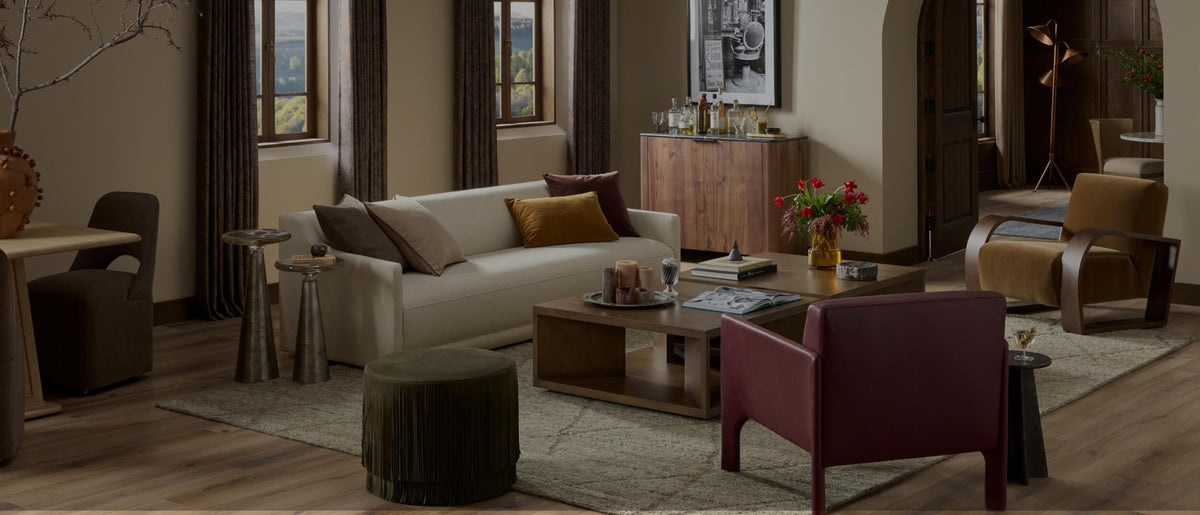

Things Our Interior Designers Wish Homeowners Knew Before Buying Furniture
Buying furniture is about more than finding something you love. The right pieces need to fit your space, support your lifestyle, and work for everyday living. Our interior designers often see homeowners make the same mistakes, so we are sharing what we wish everyone knew before making a purchase. 1. Start With How You Live Before thinking about style, think about function. How do you actually use your home? If you entertain often, your seating should make gathering easy. If you have children or pets, durability should be part of the decision. Your furniture should work for the life happening in your home, not just look good in a photo. 2. Measure and Consider Scale Always measure your room, doorways, hallways, and entry points before buying. Scale can completely change how a piece feels in a space. A large sectional may be perfect for one room and overwhelming in another. Good design comes down to proportion, so consider how every piece will relate to the room around it. 3. Choose Materials for Real Life Fabric and materials matter, especially in Houston. Consider performance fabrics and durable finishes that can handle everyday use, pets, children, entertaining, sunlight, and humidity. The best material is not necessarily the most luxurious one. It is the one that performs well for the way you live. 4. Invest in Timeless Pieces Trends are great for inspiration, but your larger furniture pieces should have staying power. Start with timeless foundations and bring personality through artwork, lighting, rugs, and accessories. You also do not need everything to match. Mixing wood tones, textures, materials, and silhouettes creates a home that feels collected rather than overly coordinated. 5. Think About the Entire Room Do not shop for one piece without considering the rest of the space. Your sofa, chairs, coffee table, rug, lighting, and artwork should work together in scale and proportion. The same idea applies throughout the home. A cohesive design considers the living room, dining room, bedroom, entryway, office, and outdoor spaces as part of the bigger picture. 6. Spend Where It Matters Most Prioritize quality on the pieces you use every day. A sofa, dining table, or favorite chair deserves more consideration than a purely decorative accent. A well-made piece that you use for years can be a better investment than repeatedly replacing inexpensive furniture. 7. Let the Room Evolve You do not have to finish your entire home at once. Furniture creates the foundation, while rugs, lighting, artwork, and accessories add personality over time. Allowing a room to evolve often creates a more natural and personal result. 8. You Do Not Have to Do It Alone Furniture shopping can quickly become overwhelming. A professional designer can help you make decisions based on your space, lifestyle, and budget while helping you avoid costly mistakes. At Native Citizen, our Houston design team helps homeowners create spaces that are functional, cohesive, and personal. At Native Citizen, our Houston design team helps homeowners create spaces that are functional, cohesive, and personal. Visit our showroom to explore Four Hands furniture, rugs, lighting, artwork, and complimentary design services.
Learn more
Four Hands Modular Sofas: Flexible Comfort for Modern Living at Native Citizen
There is something different about a sofa that can adapt with you. As homes become more multifunctional, the traditional one-size-fits-all sofa is making room for something more flexible: the modular sofa. Designed with individual components that can be arranged, rearranged, and expanded, modular seating gives you the freedom to create a living space that works for the way you actually live. At Native Citizen, we love the versatility of Four Hands modular sofas because they combine relaxed comfort with a refined, design-forward look. What Is a Modular Sofa? Unlike a traditional sofa built as one fixed piece, a modular sofa is made from individual sections that work together as a complete seating arrangement. Depending on your space and lifestyle, modules can be configured into a classic sofa, spacious sectional, chaise, L-shape, or even a larger lounge arrangement. That flexibility makes modular seating especially appealing for open-concept homes, large living rooms, apartments, media rooms, and spaces that need to evolve over time. Designed Around the Way You Live Your living room does more than one job. It may be where you entertain friends, watch a movie, enjoy your morning coffee, work from home, or stretch out at the end of the day. A modular sofa allows your furniture to adapt to those different moments. Need more seating for guests? Create a larger configuration. Want a more open layout? Separate the pieces. Moving into a new home? Reconfigure the modules to fit the new space. The result is furniture that feels less permanent in its arrangement while still providing the presence and comfort of a substantial, beautifully designed sofa. The Four Hands Approach Four Hands is known for creating furniture that balances thoughtful design with everyday functionality. Its modular seating collections bring that philosophy into one of the most important pieces in the home. With generous proportions, comfortable silhouettes, and a variety of upholstery and configuration options, Four Hands modular sofas can work across a range of interiors, from warm contemporary spaces to more relaxed, layered rooms. The beauty is in the details. Soft upholstery, substantial cushions, natural materials, and carefully considered proportions create a look that feels elevated without feeling overly formal. Why Modular Sofas Work So Well in Open Spaces Open-concept interiors can be beautiful, but they can also be challenging to furnish. A modular sectional can help define the living area without adding visual barriers. Instead of using walls or additional furniture to separate spaces, the sofa itself can establish a natural boundary between the living room, dining area, kitchen, or entry. For larger Houston homes, this can be particularly effective. A generously scaled modular configuration can anchor a spacious room while creating an inviting place to gather. A More Relaxed Way to Entertain Modular sofas naturally encourage conversation. Rather than arranging every seat toward a television or focal point, you can create a configuration that brings people together. Add a coffee table, accent chairs, a large rug, and layered lighting, and you have a living space designed for everything from casual afternoons to evening entertaining. The result feels comfortable, collected, and intentional. Built for Real Life The most beautiful furniture is furniture you actually want to live with. Modular sofas offer the combination of comfort, flexibility, and visual impact that modern homes increasingly demand. They give you the scale of a sectional while providing the adaptability of individual pieces. And because your home can change over time, your furniture should be able to change with it. Find Your Modular Sofa at Native Citizen Whether you're furnishing a new home, refreshing your living room, or designing an entire space from the ground up, Four Hands modular seating offers a flexible foundation for comfortable, elevated living. Explore Four Hands modular sofas at Native Citizen and discover a configuration designed around your space, your style, and the way you live. At Native Citizen, our design services can help you build a complete room around your sofa, mixing textures, materials, and silhouettes to create a space that feels distinctly yours. Visit the Native Citizen showroom in Houston to experience the comfort and scale of modular seating in person.
Learn more
Bringing Nature Inside: How Organic Design Creates a More Beautiful Home
There is a reason homes filled with natural materials feel more welcoming. Bringing nature indoors is more than a design trend. It is a timeless approach that creates warmth, comfort, and a sense of balance in every room. At Native Citizen, we believe the best interiors are inspired by the world around us. From solid wood furniture and natural stone to linen upholstery, woven textures, and living greenery, organic design transforms a house into a place that feels grounded and inviting. Start with Natural Materials The foundation of organic interior design begins with authentic materials. Solid oak, reclaimed wood, travertine, marble, leather, linen, cotton, and handwoven fibers all add depth and character that synthetic materials simply cannot replicate. Our curated Four Hands collections feature beautifully crafted furniture made from premium natural materials that age gracefully over time. Each piece brings unique grain patterns, textures, and finishes that make every home feel one of a kind. Layer Texture Instead of Color Nature is rich with texture, and your home should be too. Rather than relying on bold colors alone, layer different materials throughout your space. Consider pairing: Linen sofas with soft boucle accent chairs Handwoven rugs beneath solid wood dining tables Stone coffee tables with ceramic accessories Natural wood shelving with handcrafted pottery These combinations create visual interest while maintaining a calm, collected atmosphere. Let Greenery Complete the Space Plants instantly make a home feel alive. Whether it's a large fiddle leaf fig in the living room, olive trees in the entryway, or smaller potted plants throughout your home, greenery softens interiors and connects your space to the outdoors. Even simple arrangements of fresh branches or seasonal flowers can add movement and organic beauty. Maximize Natural Light Natural light enhances every material in your home. Wood appears warmer, stone gains dimension, and fabrics become softer throughout the day. Keep window treatments light and airy whenever possible. Linen drapery, woven shades, and sheer curtains allow sunlight to filter naturally while creating a relaxed atmosphere. Mirrors can also help reflect daylight and brighten darker spaces without overwhelming the design. Choose Furniture That Feels Timeless Furniture inspired by nature never goes out of style. Rounded silhouettes, soft edges, handcrafted details, and neutral finishes create rooms that remain beautiful for years. Rather than filling your home with trendy pieces, invest in quality furniture that offers lasting craftsmanship and versatility. At Native Citizen, we curate furniture designed to evolve with your home through every season. Add Organic Accessories The finishing touches often have the biggest impact. Complete your space with: Handmade ceramic vases Stone sculptures Woven baskets Natural wood trays Textured pillows Linen throws Large-scale artwork inspired by landscapes Handcrafted lighting with wood or stone elements These details create an effortless, collected look that feels both elevated and approachable. Experience Organic Design at Native Citizen Creating a home inspired by nature starts with choosing pieces that feel authentic. At Native Citizen, our Houston showroom is thoughtfully curated with premium furniture, lighting, rugs, artwork, and home accessories from Four Hands and other leading design partners. Every collection is selected to help you create spaces that feel warm, timeless, and connected to the natural world. Whether you are furnishing one room or designing an entire home, our team is here to help you bring organic design to life with furniture and décor that reflects your personal style. Visit the Native Citizen showroom in Houston to discover natural materials, timeless craftsmanship, and thoughtfully curated pieces designed for everyday living.
Learn more
Pet-Friendly Fabrics That Still Feel Luxurious
Why Performance Fabrics Matter Performance upholstery is designed to resist stains, moisture, odors, and daily wear, making it ideal for homes with pets. Unlike traditional fabrics, these materials are easier to clean and maintain while still offering the soft textures and refined look expected in luxury interiors. Many Four Hands pieces feature advanced options like Crypton® and Fiqa fabrics, both known for their durability and easy-care performance. Benefits for Pet Owners Easier cleanup from spills and accidents More resistance to stains and odors Durable fibers for everyday use Soft, comfortable textures Long-lasting color and appearance Choosing the Best Upholstery for Pets Not every fabric performs equally in homes with animals. Here are a few general recommendations when selecting upholstery: Tight Weaves Perform Better Tightly woven fabrics tend to resist snagging better than loose or highly textured weaves. Mid-Tone Fabrics Hide Wear Creams and whites can look stunning with performance fabrics, but mid-tone neutrals often help disguise pet hair and daily use even more effectively. Avoid Delicate Natural Fibers Alone Untreated linen or delicate woven textiles may show wear faster in high-traffic households with pets. Performance Velvet Can Be Surprisingly Practical Many modern performance velvets resist stains and clean easily while remaining soft and luxurious. Some pet owners even report that fur vacuums off quickly and the fabric holds up well over time. Designed for Real Living Pet-friendly furniture no longer means compromising on design. From textured neutrals to soft performance velvets, Four Hands creates upholstery that feels sophisticated, warm, and livable. At Native Citizen, we curate furnishings that support the rhythm of daily life while maintaining a refined aesthetic. Because the best homes are the ones that are truly lived in. Visit our Native Citizen locations here to see performance fabric in-person.
Learn more
Designing a Family Home That Grows With You
Creating a home for a growing family changes the way couples think about furniture. Suddenly, every decision matters a little more. The coffee table is not just decorative. The sofa needs to withstand everyday life. Storage pieces need to be stable, durable, and functional. Materials matter. Safety matters. Longevity matters. For young families who want a home that still feels elevated and design-forward, Four Hands has become one of the strongest options in modern furniture. Designed for Real Everyday Living Children change the way a home functions. Living rooms become play spaces. Dining tables become homework stations. Sofas become movie-night destinations, climbing structures, and nap spots all in one. One reason many families gravitate toward Four Hands is because the furniture feels substantial and lived-in rather than overly delicate. Parents should also look for: Rounded corners Softer edges Durable dining surfaces Stable shelving Secure storage furniture These details help create a safer and more comfortable home environment without compromising design. These qualities naturally support homes with children because the furniture is designed to handle everyday use while still maintaining a refined aesthetic. Thoughtful Materials and Craftsmanship Furniture quality matters even more when children are involved. Lower-quality furniture often relies heavily on particleboard, weak hardware, unstable joinery, or inexpensive adhesives that may not hold up over time. In homes with toddlers and young children, sturdier craftsmanship becomes incredibly important. Four Hands is widely recognized for using: Reclaimed woods FSC-certified wood in many collections Natural materials Heavier construction Elevated craftsmanship For parents concerned about indoor air quality, this can be a meaningful upgrade from lower-cost fast furniture brands that may use heavier chemical-based manufacturing. Understanding VOCs and Four Hands Fabrics Many young couples today are more aware of VOC emissions, adhesives, foam construction, and fabric treatments when furnishing a home for children. VOC stands for volatile organic compounds, which are gases that can be released from certain furniture materials, finishes, foams, and adhesives over time. While almost all new furniture releases some level of VOCs initially, higher-quality furniture brands often place greater emphasis on: Lower-emission finishes Better manufacturing standards Improved material sourcing Longer-lasting construction Performance Fabrics and Healthier Materials for Family Living One of the reasons Four Hands has become a strong choice for young families is its thoughtful approach to materials and performance textiles. Fiqa Boucle Performance Fabrics Many upholstery collections feature Fiqa performance fabrics. Sustainably made, easy to clean and designed to last indoors and out. Sustainably made, easy to clean and designed to last indoors and out, Fiqa performance fabrics are durable and solution-dyed at the fiber level for long-lasting color while being bleach-cleanable. Benefits: Certified OEKO-TEX® and GREENGUARD Gold, Fiqa fabrics are crafted from fully recyclable materials and free of harmful chemicals. Crypton Performance Fabrics Four Hands also incorporates Crypton® performance fabrics throughout select collections, offering stain resistance, odor resistance, and PFAS-free protection that works especially well for homes with children and pets. For parents, this means furniture can remain both elevated and practical without constant worry over spills or wear. Libeco™-sourced Belgian Linen™ Much like the Four Hands brand, the multi-generational artisans of Libeco are committed to sustainable manufacturing. The OEKO-TEX® certified material in these linen pieces and sustainable slipcovers is manufactured in facilities that are carbon neutral, completely solar and wind powered, and contain no toxic chemicals within the process. Four Hands is consistently dedicated to bringing forth upholstered pieces that are made to last, so the brand is honored to launch new products made with Belgian Linen™, including a wool blend rich in character and depth. By using a traditional approach to growing and harvesting flax, Libeco™’s authentic linen-making process results in superior fabric that’s softer to the touch, less prone to wrinkling, naturally durable, and easy to maintain. Wall Coverings Beyond upholstery, Four Hands also offers low-VOC wallcoverings and thoughtfully sourced materials such as OEKO-TEX® certified Belgian Linen™ produced in carbon-neutral facilities. These details reflect a larger commitment to healthier, longer-lasting interiors that support both beautiful design and everyday family living. Safety Beyond Materials When shopping for furniture as new parents, safety should extend beyond fabrics and finishes. Furniture stability is one of the most overlooked factors in family homes. The U.S. Consumer Product Safety Commission has increased regulations around furniture tip-over safety, particularly for dressers and tall storage pieces. Parents should always anchor large furniture to walls regardless of brand. Four Hands’ heavier construction and substantial materials can offer improved stability compared to lightweight fast furniture, but proper anchoring remains essential for homes with children. Elevated Design Without Sacrificing Comfort For families who want a home that feels both beautiful and livable, Four Hands offers a thoughtful middle ground between luxury aesthetics and everyday practicality. At Native Citizen Home, we believe family homes should support real life beautifully. With thoughtfully curated collections from Four Hands, young couples can create spaces that feel welcoming today while remaining durable enough for the years ahead. Get free design services for your new home at Native Citizen. Contact us or visit our Native Citizen locations here.
Learn more
Back to Basics: The Power of a Well-Placed Accent Chair
An accent chair is more than extra seating. It is a design move that can shape how a room looks and feels. When chosen with intention, it adds structure, contrast, and personality without taking over the space. At Native Citizen, we view accent chairs as one of the most flexible elements in a home. They serve a purpose, but they also tell a story. Here's how to choose one for your home. Why Accent Chairs Matter A well-placed accent chair creates balance. In a living room, it softens the presence of a larger sofa. In a bedroom, it brings in another layer beyond the bed. In an unused corner, it creates a moment that invites you to sit, read, or slow down. Accent chairs also give you permission to explore. While larger pieces often stay neutral, a chair is an opportunity to introduce a new shape, texture, or tone. It can subtly shift the entire mood of a room. Finding the Right Chair The right accent chair should feel connected to its surroundings. Start with scale. A chair that is too large can crowd the room, while one that is too small may feel lost. Pay attention to seat height and depth, especially if it will be used often. Next, consider material. Upholstered chairs bring softness and comfort, while wood or leather options add structure and contrast. Texture plays a key role in making a space feel layered and complete. Color is where personality comes in. A neutral chair can ground a space, while a bold tone can create a focal point. Think about how it interacts with your existing palette rather than trying to match everything exactly. Placement is Everything Where you place your accent chair matters just as much as the chair itself. In a living room, position it to complete a conversation area. It should feel connected to the sofa, not pushed to the side as an afterthought. In a bedroom, a chair near a window or corner can create a quiet retreat. Even in a hallway or entry, a single chair can add warmth and intention. Spacing is key. Give the chair room to breathe so it feels purposeful, not crowded. A Small Piece with Big Impact An accent chair has the ability to transform a room without requiring a full redesign. It introduces a new perspective, adds function, and refines the overall composition of your space. It is often the piece that makes a room feel finished. Explore accent chairs and more at Native Citizen. Visit our Montrose showroom and experience how thoughtful design comes together in person. Make living simple.
Learn more
Back to Basics: How to Choose the Right Sofa for Your Space
A sofa is more than a place to sit. It anchors your living space, sets the tone for your home, and quietly defines how you live day to day. Choosing the right one is less about trends and more about understanding your space, your habits, and the feeling you want to create. This will be a new blog series of how to choose the right pieces in your home that are meant to stay with you forever from Native Citizen. Start with How You Live Before dimensions or fabrics, think about function. Is your sofa where you unwind after long days, host friends, or stretch out for movie nights? A deep, lounge-worthy seat supports a relaxed lifestyle, while a more structured silhouette feels refined and formal. If your home leans social, consider a sectional or a larger profile that invites conversation. If it is more intimate, a tailored two or three seater may feel more appropriate. Measure Your Space Thoughtfully Scale is everything. A sofa that is too large can overwhelm a room, while one that is too small can feel disconnected. Measure your space and leave room for movement. Walkways should feel natural, not forced. Consider ceiling height as well. Lower-profile sofas can make a room feel more open, while taller backs create a sense of structure and presence. Shape Defines Flow The shape of your sofa influences how your space moves. Clean, linear designs bring a sense of order and modernity. Softer curves introduce ease and fluidity, helping a room feel more inviting and less rigid. In open-concept spaces, curved or modular sofas can subtly guide traffic without the need for walls. Choose the Right Upholstery Fabric is both visual and functional. Performance fabrics are ideal for high-traffic homes, offering durability without sacrificing style. Linen and cotton blends feel light and relaxed, while leather adds depth and a more elevated, timeless quality. Consider how the material will wear over time and how it complements the rest of your home. Consider Color and Tone Your sofa does not need to be the focal point, but it should work in harmony with your space. Neutral tones create a calm foundation and allow flexibility as your style evolves. Richer tones add contrast and personality. Pay attention to undertones in your flooring, walls, and surrounding furniture to ensure everything feels cohesive. Comfort Is Personal What feels comfortable varies from person to person. Seat depth, cushion fill, and firmness all play a role. Some prefer a structured sit with support, while others want a sink-in feel. Whenever possible, experience the sofa in person to understand how it supports your lifestyle. Think Long-Term A well-chosen sofa should last for years. Prioritize quality construction, durable materials, and a design that feels timeless rather than trend-driven. This is a piece you will live with daily, so it should feel just as good over time as it does the day it arrives. Make Living Simple The right sofa brings balance to your space. It creates comfort without compromise and style without effort. Visit our Montrose showroom to explore our collection and find the piece that fits your home, your lifestyle, and your point of view.
Learn more
Native Citizen: Guide to Interior Design Styles
Interior styles give direction, but they are not meant to box you in. The best spaces often blend influences in a way that feels natural and personal. Here is a breakdown of some of the most common interior styles and what defines them. Modern Modern design is rooted in clean lines and simplicity. You will often see neutral color palettes, minimal ornamentation, and an emphasis on form and function. Materials like metal, glass, and smooth woods are common. The overall look feels refined, open, and intentional. This style works well for those who prefer a clutter-free space with a strong architectural presence. Contemporary Contemporary design reflects what is current. It evolves over time, but typically features a mix of clean lines with softer elements. You might see neutral tones layered with subtle texture, curved furniture, and a balance between minimal and comfortable. It feels fresh, but still livable. Minimal Minimalism focuses on reducing everything down to what is essential. Each piece has a purpose, both functionally and visually. Spaces are often light, open, and calm, with a limited color palette and very little excess. This style is about clarity and restraint, creating a sense of ease in the home. Traditional Traditional interiors draw from classic European design. Think rich wood tones, detailed millwork, and more formal furniture silhouettes. Symmetry plays a big role, and the overall look feels timeless and structured. It is a style that leans into comfort and familiarity. Transitional Transitional design sits between traditional and modern. It blends the warmth and familiarity of classic design with the clean lines of modern pieces. The result is balanced, approachable, and versatile. This is one of the most popular styles because it feels both current and timeless. Industrial Industrial design is inspired by warehouses and urban spaces. It highlights raw materials like exposed brick, metal, and concrete. Furniture tends to have a more utilitarian feel, with simple forms and darker tones. It brings an edge to a space while still feeling grounded. Scandinavian Scandinavian design is known for its simplicity, functionality, and warmth. Light woods, soft textures, and neutral colors define the look. Natural light plays a key role, and spaces feel airy and inviting. It is minimal, but never cold. Mid-Century Modern This style is rooted in design from the mid-1900s. It features clean lines, organic shapes, and a mix of natural and manmade materials. Warm woods, tapered legs, and subtle pops of color are common. It feels retro, but still relevant. Organic Modern Organic modern blends clean, modern lines with natural materials and softer forms. You will see stone, wood, linen, and curved silhouettes. The palette is often neutral, with an emphasis on texture. This style feels calm, elevated, and connected to nature. Finding Your Style We don't believe in just one style. Every piece you see is part of the home collection we carry at Native Citizen. If you want to explore different styles in person, visit our Montrose showroom. Seeing materials, textures, and scale up close can help you define what feels right and bring your vision into focus. Make it even easier, sign up for our free design services at Native Citizen to define your space and make it feel like yours in as little as 7 days after your first appointment. We make living feel simple.
Learn more
How to Choose the Right Lighting for Every Room
Lighting does more than help you see. It sets the mood, defines how a room feels, and quietly shapes how you experience your home day to day. The right mix of chandeliers, sconces, table lamps, and floor lamps can make a space feel calm, layered, and intentional instead of flat or overly bright. Here’s how to choose lighting that works, room by room. Start With Layers, Not Just One Light The biggest mistake people make with lighting is relying on a single overhead fixture. Good lighting is layered. Think of it in three parts: Ambient lighting is the main source of light. This includes chandeliers, pendants, or flush mounts. Task lighting is focused light for reading, cooking, or working. Accent lighting adds warmth and depth, highlighting corners, art, or architectural details. Most rooms need at least two of these layers. The best spaces usually have all three. Entryway and Hallway Lighting First impressions matter. A chandelier or pendant in the entry sets the tone for the entire home. Choose something that reflects your style without overpowering the space. Wall sconces in hallways create rhythm and guide movement through the home while keeping the light soft and welcoming. Table lamps on consoles add warmth and help entry spaces feel lived in, not transitional. Living Room Lighting The living room should feel flexible. Bright enough for conversation and everyday use, softer in the evening. Chandeliers or pendants work well if the room has high ceilings or an open layout. Choose something sculptural but not overpowering. It should anchor the space without stealing attention from the furniture. Floor lamps are essential. Place them near seating to create cozy zones, especially next to sofas or reading chairs. Table lamps add warmth and balance. Use them on side tables or consoles to soften the room and avoid harsh overhead light at night. If possible, wall sconces can replace some lamps and free up surface space while adding a custom feel. Dining Room Lighting The dining room is where a chandelier really shines. Choose a chandelier or pendant that is centered over the table, not the room. The scale should relate to the table size, not the ceiling height alone. As a general rule, the fixture should be about half to two thirds the width of the table. Hang it low enough to feel intimate but high enough to keep sightlines clear. Dimmers add a nice touch for flexibility with everyday meals and gatherings. If the room is large, sconces on the walls can add glow and depth without competing with the main fixture. Kitchen Lighting Kitchens need both function and warmth. Chandeliers provide ambient lighting while pendant lights over an island provide focused task lighting and visual rhythm. Choose simple shapes if your kitchen already has strong materials or finishes. Under cabinet lighting is one of the most useful upgrades you can make. It keeps countertops bright and practical. In eating nooks or breakfast areas, a small chandelier or pendant helps define the space and makes it feel separate from the rest of the kitchen. Bedroom Lighting Bedrooms should feel calm and layered, never harsh. Table lamps on nightstands are the most common choice and offer symmetry and softness. Make sure the lamp height works with your headboard so the light hits at a comfortable level. Wall sconces are a great alternative to table lamps, especially in smaller rooms. They free up space and feel intentional. Floor lamps can be used in corners or near chairs to add ambient light without relying on overhead fixtures. Bathroom Lighting Bathrooms need clear, even light without feeling clinical. Wall sconces placed on either side of the mirror give the most flattering light for daily routines. This reduces shadows compared to a single light above the mirror. Overhead lighting should be soft and supportive, not the main focus. If space allows, a small decorative fixture can add personality, especially in powder rooms. Final Tips to Keep in Mind Always consider scale. A light that is too small will feel like an afterthought, while one that is too large can overwhelm the room. Use warm light temperatures in living spaces and bedrooms for a softer feel. Lighting should support the room, not compete with it. Need help choosing the right pieces? That’s where we come in. Visit our Montrose or Heights studios to meet with a Native Citizen interior designer—complimentary, always. We’ll help you create a home that’s beautiful, functional, and ready for real life. Ordering online? Enjoy our complimentary white glove delivery service.Working with us as a design client? We take care of it all—from in-home measurements to furniture placement, art, and decor installation with expert precision and care. You dream it, we install it when you sign up for the design passport at our studios.
Learn more